

In the hands of PERRY ROSE (born in the English-speaking colony in Brussels), Celtic pop is a fresh blend of incredible, soaring melodies and influences that come straight from his ancestors.
Six albums released in several European and Asian countries and more than 400 gigs have brought Perry an enthusiastic audience that is highly appreciative of his music.
1 member

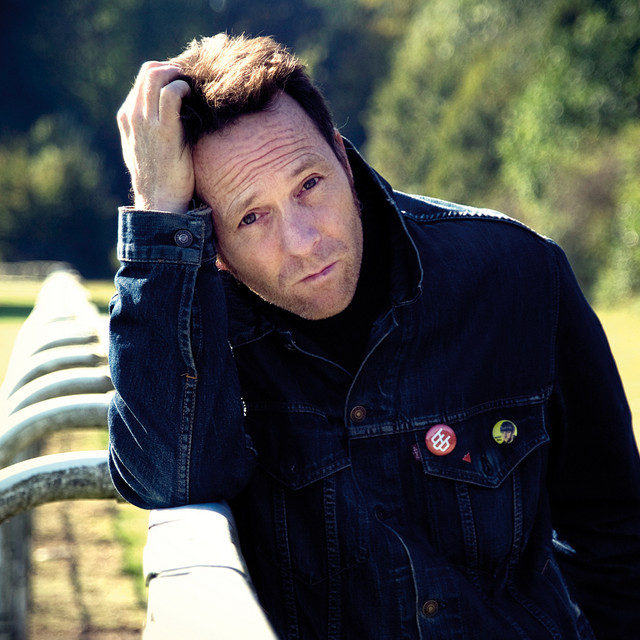
Perry Rose
In the hands of PERRY ROSE (born in the English-speaking colony in Brussels), Celtic pop is a fresh blend of incredible, soaring melodies and influences that come straight from his ancestors.
Six albums released in several European and Asian countries and more than 400 gigs have brought Perry an enthusiastic audience that is highly appreciative of his music.
1 member


1/50

Processing new audio file...




FIRE
SAVE
SHARE
4 plays
Report inappropriate
Dag Van De Doden


The Paradox of Life
"Dag van de doden" ("Day of the Dead") is a powerful piece of Dutch-language rock, possessing an existential depth that—thirty years later—still feels uncomfortably relevant. Nicart dissects the modern individual who, ensnared in a web of money and power, appears to have lost their humanity. It is a song that seeks not merely to entertain the listener, but, more importantly, to rouse them from a collective state of apathy.
The lyrics of "Dag van de doden" offer a bitter observation of what Nicart terms the "living dead."
The musical composition reinforces the urgent, almost hypnotic nature of the lyrics, evoking the relentless rhythm of the daily grind.
"Dag van de doden" serves as a cynical yet essential landmark on the album "Dodelijke nachtschaduw" ("Deadly Nightshade"). Here, John Nicart proves that he is not only a master at articulating personal pain but also possesses a razor-sharp sociological perspective. The track stands as a potent statement against the soullessness of the modern world. In 1995, it served as a warning; today, it resonates as a confirmation of a reality in which we are still struggling to be more alive than the dead.
Translated lyrics:
Some living
Are deader than dead
On this Monday
Day of the Dead is obscene
Some dead
Underground
Are livelier
Than the living
The Day of the Dead is obscene
The Day of the Dead is obscene
The Day of the Dead
Daily
Daily
The core of their lives
Is here
They compete for money
And power
The worst news between seven
And eight
Is livelier
Than living
The Day of the Dead is obscene
The Day of the Dead is obscene
The Day of the Dead
Daily
Daily
Faces without expression
Hide no warm heart
And the
Faces without expression
Have no satisfaction
The Day of the Dead is obscene
The Day of the Dead is obscene
The Day of the Dead
Daily
Daily
- Mastered by mixea.commore
Timed ▼Newest
▼Timed Newest
Show more comments

1/50

Processing new audio file...
179 FIRE
5 SAVES
SHARE
34 plays
Report inappropriate
Uiteen
The Paradox of Sacrifice
"Uiteen" ("Break Up") is a sober, almost painful dissection of a dying relationship. While many love songs lament a lack of commitment, Nicart here laments an excess of (misguided) sacrifice. It is a mature, psychologically layered track that compels the listener to reflect on authenticity within a partnership. The musical execution is powerful in its simplicity, which makes the lyrical body blows land all the harder.
In "Uiteen," Nicart dissects the mechanisms of an unhealthy symbiosis.
The audio of this 1995 production reveals a composition that perfectly accommodates the emotional tension of the lyrics through dynamic Dutch rock.
"Uiteen" is an essential track on the album *Dodelijke nachtschaduw*. It is a courageous song because it flips the question of blame: the breakup is presented as an act of mercy—for both the narrator and their partner. With this track, John Nicart proves he possesses the gift of capturing complex psychological processes within a compelling rock song. In 1995, this served as a powerful statement against the stifling nature of the romantic myth, and thirty years later, the message remains as solid as ever.
Translated lyrics:
Our hearts pull
Together like magnets
But there is nothing more
You are not who you want to be
You don't do what you want to do
You quit smoking
For my health
You quit your studies
To be with me
But sooner or later
This takes its toll
And then I won't be there anymore
I can't take it anymore
Don't play any other
Be yourself
We are only together
To not be alone
I can't go on like this
If we were ever really together
I want to break up
And you talk about me
Like a brave prince
On the white horse
The hero of the story
Who comes to set you free
But I also make mistakes
Even if you don't see them
The salvation sought
You will not find with me
But sooner or later
This takes its toll
And then I won't be there anymore
I can't take it anymore
Don't play any other
Be yourself
We are only together
To not be alone
I can't go on like this
If we were ever really together
I want to break up
Somewhere in the future
I don't want to wake up
When it's too late
To make up for time
To make dreams come true
I wish to see things
Experiencing a life
Your life is led
You let yourself be guided
But sooner or later
This takes its toll
And then I won't be there anymore
I can't take it anymore
Don't play any other
Be yourself
We are only together
To not be alone
I can't go on like this
If we were ever really together
I want to break up
- Mastered by mixea.commore
Timed ▼Newest
▼Timed Newest
Show more comments
1/50

Processing new audio file...
11 FIRE
1 SAVE
SHARE
26 plays
Report inappropriate
Broederlijke Haat
The Price of Fame
"Broederlijke haat" ("Brotherly Hatred") is a haunting, socially critical work that has lost none of its power, even thirty years later. The song touches upon themes such as senseless violence, the sensationalism of the media, and the universal nature of human aggression. It stands as one of the most confrontational tracks on the album, offering the listener no escape from the harsh reality of "the ditch along the street."
The lyrics of "Broederlijke haat" serve as a razor-sharp analysis of a tragedy that repeats itself day after day.
The musical arrangement reinforces the song’s somber message in a profound way—it is, in effect, a rock requiem.
"Broederlijke haat" is a poignant highlight on the album "Dodelijke nachtschaduw" ("Deadly Nightshade"). John Nicart succeeds in giving a face to an anonymous victim, while simultaneously issuing an indictment against the violent nature of humanity. It is a song that compels the listener to engage in self-reflection: how do we respond to the tragedies of others? It is an essential piece of music that proves rock, in 1995, was more than mere entertainment—it served as a moral conscience.
Translated lyrics:
A man has reached the general public
However, it is too late for him
He's not the one who gets the fame
Somewhere in a ditch along a street
It'll be in all the newspapers tomorrow
Is it an act of fear or hatred
Those pictures deliver from all sides
Somewhere in a ditch along a street
He's a victim
Of brotherly hatred
Like a soldier for his country
Like a nigger in the jungle
Just like a student in the square
Like a human to the subway
Everyone talks about this man
Even though he was not a diplomat
Everyone now knows him from
Somewhere in a ditch along a street
All he did was his job
Which stands for everyone's health
They say goodbye to him in a church
Somewhere on a ditch along a street
He's a victim
Of brotherly hatred
Like a soldier for his country
Like a nigger in the jungle
Just like a student in the square
Like a human to the subway
- Mastered by mixea.commore
Timed ▼Newest
▼Timed Newest
Show more comments